One Dollar Today, Hundreds Gone Tomorrow: The Dark Side of Product Trials

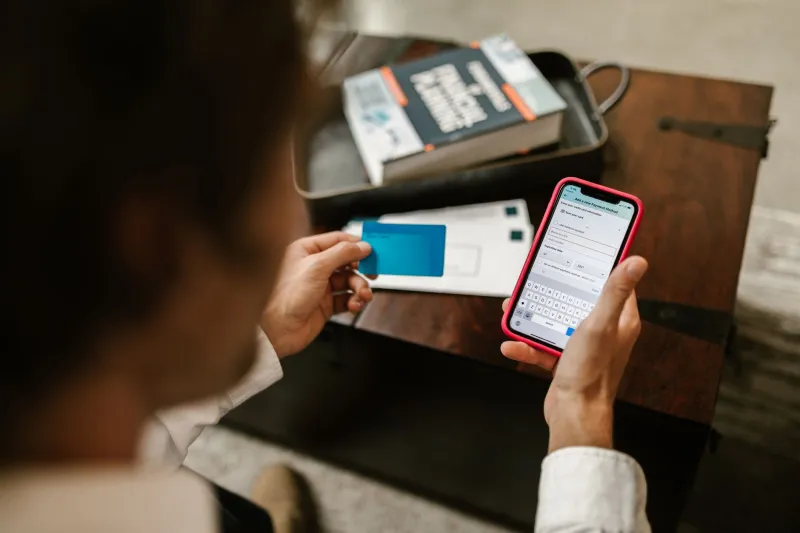
Let's be honest — who hasn't grabbed a "try it for free" offer at checkout? It feels like a no-brainer. You get the product, you pay almost nothing, and you figure you'll just cancel if it's not worth it. Simple, right?
Except it rarely works out that way. That $1 trial box of moisturizer or the 7-day free pass to a premium fitness app has a habit of quietly turning into a $49.99 monthly charge you completely forgot about. Multiply that by two or three subscriptions, and you're looking at hundreds of dollars a year evaporating from your account — all for stuff you may not even be using.
This isn't an accident. It's a business model, and it's been carefully engineered to work against you.
Why Subscription Pricing Is Built to Confuse You
Retailers love subscriptions for one very obvious reason: predictable, recurring revenue. A customer who pays once is nice. A customer who pays every single month — often without thinking about it — is gold.
The introductory offer is the hook. Pricing something at $1 or "free" removes the mental barrier to signing up. You're not really committing, you tell yourself. You're just trying it out. But buried in the terms and conditions — usually in small gray text that nobody reads — is the part where your credit card gets charged full price the moment the trial window closes.
Psychologists call this the "foot-in-the-door" technique. Once you've said yes to something small, you're far more likely to stay enrolled in something bigger. Add in the friction of cancellation — confusing account menus, mandatory phone calls, "are you sure?" confirmation screens — and a lot of people just... don't bother. The company counts on exactly that.
The Worst Offenders by Category
Not all subscription traps are created equal. Some product categories are far more aggressive about this than others.
Beauty and Skincare Boxes This is arguably the most notorious space for predatory trial offers. Brands in this category frequently advertise a "starter kit" for a few dollars, then enroll you in a monthly box that can run $40–$70 per shipment. The products themselves are often decent, but the lack of upfront transparency about what you're actually signing up for is a real problem. Several major beauty subscription services have faced FTC complaints over exactly this kind of practice.
Fitness and Wellness Apps Free trial periods for workout apps, meditation platforms, and nutrition trackers are everywhere — especially in January when everyone's fired up about New Year's resolutions. Many of these apps offer a 7- or 14-day free trial, then auto-bill annually at rates that can hit $80–$150 a year. The annual billing model is especially sneaky because you don't feel the sting monthly; you just get blindsided once a year when the charge hits.
Streaming Bundles With the explosion of streaming services, bundle deals have become a major subscription trap. You sign up for a discounted bundle rate, then one service quietly raises its price, or the bundle itself restructures and you're now paying for individual tiers you didn't want. Americans are spending an average of over $60 a month on streaming subscriptions alone, according to recent consumer surveys — and most people dramatically underestimate that number when asked.
Software and Digital Tools Think antivirus programs, VPNs, cloud storage, and creative software. Many of these offer steep discounts for the first year, then renew at full price without much fanfare. It's not uncommon for someone to pay $29 in year one and then get charged $89 in year two without a single reminder email.
The Psychology of "I'll Cancel Before It Charges"
Here's the uncomfortable truth: most of us genuinely believe we'll remember to cancel. We're optimistic about our future selves. We think we'll be more organized, more on top of things, more attentive to our bank statements.
But life gets busy. The trial ends on a Tuesday when you're dealing with work deadlines. The cancellation email gets buried. You meant to deal with it last weekend. And suddenly it's been four months and you've been paying full price for a box of serums you're not even opening.
Retailers know this. Some companies deliberately make trial end dates hard to find, or set them at slightly odd intervals — like 13 days instead of two weeks — to throw off your mental calendar. A few have even been caught sending cancellation confirmation emails that don't actually process the cancellation.
How to Protect Yourself Without Giving Up Good Deals
The good news is you don't have to swear off trials entirely. There are some genuinely great introductory offers out there. You just need a system.
Use a virtual card number for trials. Services like Privacy.com let you generate single-use or merchant-locked virtual card numbers. Sign up for your trial, and when the billing date hits, the charge simply won't go through. This is the nuclear option, but it works.
Set a calendar reminder the moment you sign up. Don't wait. Right when you complete the sign-up, open your phone and set an alert for two days before the trial ends. Give yourself enough buffer to actually cancel before the charge hits.
Audit your bank and credit card statements monthly. This sounds obvious, but most people don't do it consistently. Set aside 10 minutes at the start of each month to scroll through your transactions and flag anything recurring that you don't actively want.
Use a subscription tracker app. Tools like Rocket Money, Truebill, or even the built-in subscription tracking features in some banking apps can automatically identify recurring charges and help you cancel the ones you don't need.
Read the cancellation policy before you sign up — not after. If a company makes it genuinely hard to find out how to cancel, that's a red flag before you even hand over your card number.
The Bottom Line
Trials and introductory offers aren't inherently evil. Some of them lead to products and services you'll genuinely love and use for years. But the model only works in your favor if you go in with your eyes open.
The companies running these programs are betting on your forgetfulness, your inertia, and your optimism. Beat them at their own game by being the rare customer who actually reads the fine print, sets the reminder, and cancels what you don't want before it costs you a dime more than you intended.
Smart shopping isn't just about finding the lowest price — it's about making sure that low price doesn't quietly turn into a very expensive habit.