Refurbished, Open-Box, or Certified Pre-Owned: What Those Labels Really Mean for Your Wallet
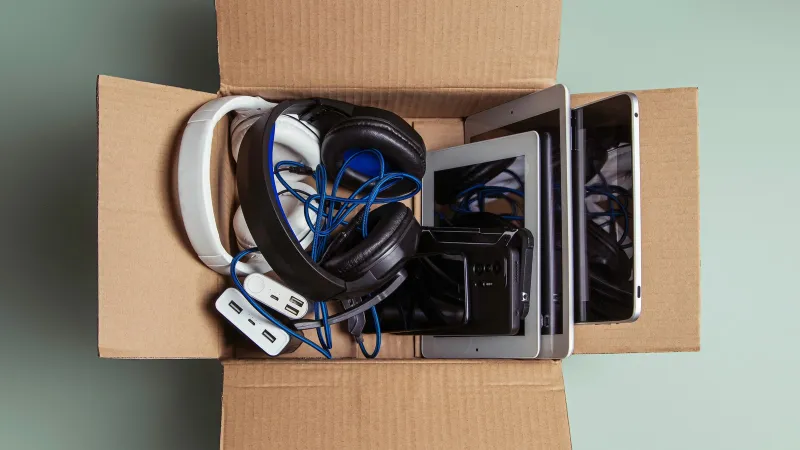
Photo: refurbished electronics laptop smartphone open box packaging, via www.slashgear.com
Walk through any major online retailer right now — Amazon, Best Buy, Walmart — and you'll find entire storefronts dedicated to refurbished, open-box, and certified pre-owned products. The pitch is simple: near-identical quality at a fraction of the price. And honestly? Sometimes it's exactly that. But sometimes it's a gamble dressed up in marketing language, and the difference between a great deal and a frustrating money pit often comes down to a few words most shoppers scroll right past.
So let's slow down and actually look at what's going on in this market, because the refurbished goods space has quietly become one of the most complex — and potentially rewarding — corners of online shopping.
The Labels Sound Similar. They're Not.
Here's where a lot of shoppers get tripped up. 'Refurbished,' 'open-box,' and 'certified pre-owned' are often used interchangeably in product listings, but they describe very different things.
Open-box is the simplest of the three. It usually means a product was returned by a customer, possibly never used at all, and is being resold in its original (or repackaged) box. The item might be in perfect working condition, or it might have a scratch, a missing cable, or a cracked screen protector. Retailers typically inspect these minimally before putting them back on the shelf — or the virtual shelf.
Refurbished is broader and murkier. A refurbished product has been returned, inspected, repaired if necessary, and repackaged for resale. But here's the catch: there's no universal standard for what 'refurbished' actually requires. A product refurbished by the original manufacturer is a very different thing from one refurbished by a third-party reseller working out of a warehouse somewhere. Both can legally use the same label.
Certified Pre-Owned (CPO) sounds the most official, and in some cases it genuinely is. Many manufacturers — Apple, Samsung, Sony — run their own CPO programs with documented inspection checklists, replacement parts policies, and included warranties. These programs tend to be the most reliable. But even here, 'certified' is a term that some third-party sellers have started borrowing loosely, so reading the fine print on who's doing the certifying still matters.
How Much Are You Actually Saving?
The savings can be real and meaningful. Across major platforms, refurbished electronics typically run 15% to 40% cheaper than their new counterparts. On high-ticket items — think MacBooks, OLED TVs, noise-canceling headphones — that discount can translate to hundreds of dollars.
A refurbished Apple MacBook Air, for example, might list for $849 on Apple's own certified refurbished store versus $1,099 new. That's $250 back in your pocket for what Apple claims is a product that goes through the same quality checks as new units, comes with a fresh battery and outer shell, and ships with a one-year warranty.
Similarly, refurbished smartphones from major carriers or manufacturer stores often come in 20% to 35% below retail. For budget-conscious shoppers who don't need the absolute latest model, that's a genuinely smart play.
But those numbers assume you're buying from a reputable source. Drop down to third-party sellers on marketplace platforms, and the discount can balloon to 50% or more — which should raise a flag, not just excitement.
The Loopholes Nobody Talks About
Here's where the refurbished market gets uncomfortable. Because there's no federal standard governing what 'refurbished' requires, sellers have enormous latitude in how they use the term. A product that was dropped once, has a slightly off-color display, and was wiped clean can technically be sold as refurbished. So can a unit that underwent a full diagnostic overhaul with new components.
Grading systems exist — many sellers use A, B, and C grades, or descriptors like 'excellent,' 'good,' and 'fair' — but these grades are self-assigned. There's no third-party auditor checking whether a seller's 'Grade A' actually meets any consistent benchmark.
Warranty coverage is another minefield. A manufacturer-refurbished product often comes with a 90-day to one-year warranty. Third-party refurbished items? Sometimes 30 days. Sometimes nothing. And when something goes wrong at day 45 on a 30-day warranty, you're on your own.
Return windows can also be shorter for refurbished goods, even on platforms that offer generous return policies for new items. Always check the specific listing's return terms before you buy — not the site's general policy page.
When Buying Refurbished Genuinely Makes Sense
Despite the risks, there are clear categories where buying refurbished is a legitimately smart financial decision.
Laptops and computers are probably the strongest case. Computers have long product cycles, and a two-year-old refurbished machine often handles everyday tasks — browsing, streaming, office work — just as well as a current model. If you're buying from the manufacturer's own refurbished store with a warranty, this is one of the best deals in consumer electronics.
Smartphones are another solid bet, especially if you're buying certified pre-owned directly from Apple, Samsung, or a major carrier. Flagship phones from two or three generations back are still powerful devices, and the savings versus buying new are hard to argue with.
Home appliances and small kitchen electronics can also be worth a look, particularly through retailers like Best Buy's open-box section, where items are graded and return policies are relatively consumer-friendly.
Gaming consoles — especially mid-cycle when new stock is scarce — are frequently available refurbished at meaningful discounts through manufacturer storefronts.
On the flip side, safety-critical items like car seats, bike helmets, or anything with a recall history are categories where buying used or refurbished introduces risks no discount is worth. And items with high failure rates or short product support windows (some budget Android phones, for example) may not be worth the gamble even at a deep discount.
How to Shop Refurbished Without Getting Burned
A few practical rules that can save you from a bad experience:
- Prioritize manufacturer-certified programs. Apple Certified Refurbished, Samsung Certified Pre-Owned, and similar direct-from-brand programs offer the most transparency and protection.
- Read the warranty terms, not just the price. A 90-day warranty versus a one-year warranty is a significant difference in risk exposure.
- Check seller ratings obsessively. On platforms like eBay or Amazon Marketplace, a seller's feedback history is your best due diligence tool.
- Look for grading details. If a listing doesn't explain what grade the item is or what was inspected or replaced, treat that as a red flag.
- Factor in the return window. If the return window is under 30 days, make sure you have time to thoroughly test the product before it closes.
- Compare to open-box new. Sometimes an open-box item from a retailer like Best Buy is only marginally more expensive than a third-party refurbished listing but comes with far stronger buyer protections.
The Bottom Line
The refurbished market isn't a scam — but it's also not the straightforward bargain it's sometimes marketed as. The best deals in this space reward shoppers who do a little homework: understanding what the label actually means, who's behind the certification, and what protections come with the purchase.
When those boxes are checked, buying refurbished can be one of the smartest moves a budget-conscious shopper makes. When they're not, you might end up paying 60% of retail for a product that fails in three months with no recourse. The difference is almost always in the details hiding just below the headline price.